Beyond the Hype Practical AI for Everyday Innovators
Artificial Intelligence. The term itself often conjures images of science fiction, complex algorithms, and perhaps a touch of apprehension. For many small business owners, entrepreneurs, and content creators, AI might feel like a distant, intimidating concept, something for tech giants, not for them. Yet, the reality is that AI is rapidly evolving from a futuristic fantasy into an incredibly accessible and powerful tool, democratizing creativity and efficiency for everyone. It’s no longer about replacing human ingenuity but augmenting it, allowing us to achieve more with less effort and unlock new dimensions of possibility.
The true magic of AI lies in its ability to streamline tasks that once consumed valuable time and resources. Imagine launching a new project or refining an existing brand, only to find yourself bogged down by the initial design hurdles. This is where AI steps in as a game-changer. For instance, crafting a distinctive visual identity, like a logo, can be a significant barrier. Fortunately, accessible platforms allow you to create an AI logo in just a few with Adobe Express, transforming a potentially complex design process into an intuitive and quick experience. This kind of practical application illustrates how AI isn’t just about advanced robotics; it’s about empowering individuals and small teams to focus on their core mission, while smart tools handle the heavy lifting of design and iteration.
Breaking the “Blank Page” Syndrome
Beyond visual identity, AI is revolutionizing how we handle information and generate ideas. Every innovator knows the dread of the “blank page”, that moment when you have a goal but no clue how to start. Generative AI acts as a digital brainstorming partner. Whether you are drafting a business proposal, writing social media copy, or outlining a video script, AI can provide a foundational draft in seconds.
The shift here is subtle but profound: we are moving from being “creators from scratch” to “curators of excellence.” Instead of spending three hours staring at a cursor, an entrepreneur can prompt an AI to generate five different marketing angles, select the strongest one, and then spend their energy refining the tone and ensuring it aligns with their brand voice. This synergy between human intuition and machine speed is where the most significant productivity gains are found.
Efficiency as a Competitive Advantage
For a small business, time is the most precious currency. Large corporations have the budget to hire departments for every task, SEO optimization, customer service, data analysis, and content production. The “everyday innovator” usually wears all these hats at once. AI tools act as a force multiplier, allowing a one-person operation to function with the output of a much larger team.
- Customer Engagement: AI-driven chatbots can handle routine inquiries 24/7, ensuring customers get immediate answers while the business owner focuses on high-level strategy.
- Data Synthesis: AI can take a messy spreadsheet of customer feedback and summarize the top three pain points in seconds, providing actionable insights that would take a human hours to categorize.
- Multimedia Production: Tools that can instantly remove background noise from a podcast or generate captions for a video allow creators to produce high-quality media without needing a professional studio.
The Human-Centric Approach to Automation
There is a common misconception that adopting AI means removing the “human touch.” In reality, the opposite is often true. By automating the mundane, repetitive, and administrative aspects of innovation, AI clears the schedule for more meaningful human interaction.
When a boutique owner uses AI to manage inventory forecasts, they have more time to talk to customers on the floor. When a freelance writer uses AI to handle research citations, they have more mental energy to craft a compelling narrative. The goal isn’t to become more like a machine; it’s to use the machine to become more human—more creative, more empathetic, and more present.
Navigating the Learning Curve
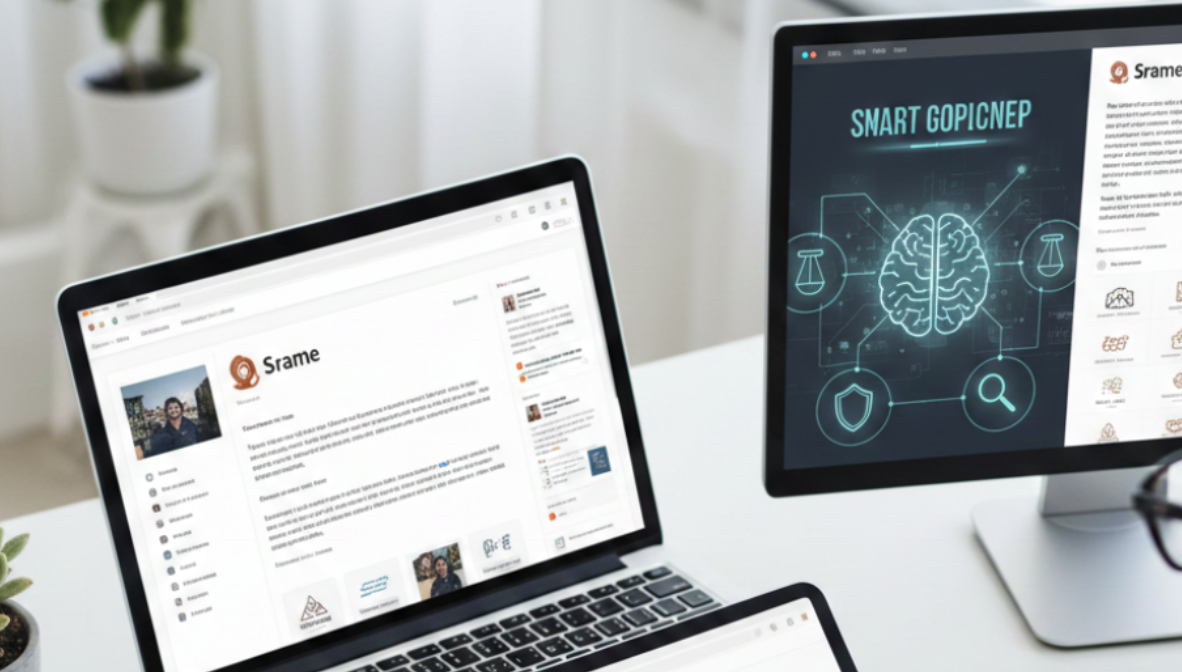
Adopting AI doesn’t require a degree in computer science. The current generation of AI tools is built with “natural language interfaces,” meaning you talk to them just like you’d talk to a colleague. The skill of the future isn’t coding; it’s prompting, the ability to clearly articulate a goal and provide the necessary context to get the best result.
As we look toward the future, the gap will not be between those who have AI and those who don’t. The gap will be between those who view AI as a threat and those who view it as a versatile, digital Swiss Army knife. For the everyday innovator, the message is clear: the tools are here, they are affordable, and they are ready to help you build whatever is next.
Conclusion: Your New Creative Partner
We are living in an era where the distance between “idea” and “execution” is shorter than ever before. AI is the bridge across that gap. Whether it’s through generating a logo that captures your brand’s soul, automating your social media calendar, or helping you analyze your first month of sales data, these tools are designed to serve your vision.
The hype may be about the “super-intelligence” of the future, but the value is in the practical utility of today. Don’t wait for the technology to become perfect; start using it to make your workflow better. After all, the best way to predict the future is to create it, and with AI by your side, you have more power to create than ever before.
About the Author