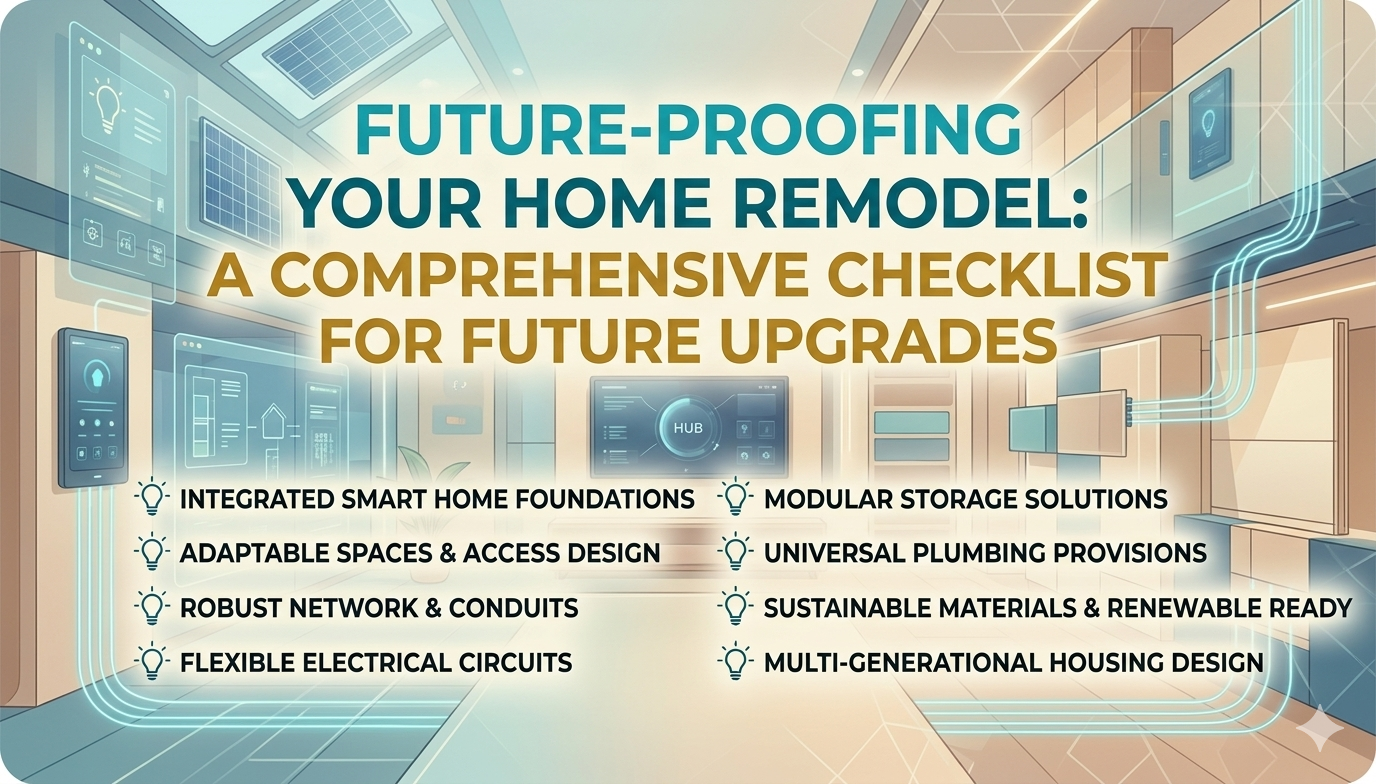
Embarking on a home renovation is often viewed through the lens of immediate gratification. We focus on the fresh paint, the new cabinetry, and the modern fixtures that will transform our current living environment. However, a truly successful renovation looks beyond the present moment and anticipates the shifting needs of tomorrow. When you decide to open up your walls, you are presented with a rare and valuable window of opportunity to lay the groundwork for future projects that might otherwise be cost-prohibitive or physically disruptive later on. By thinking ahead, you can ensure your property remains adaptable to new technologies and lifestyle changes. Exploring various examples of modern home remodels can provide a wealth of inspiration for how these forward-thinking elements are integrated into today’s living spaces. This proactive mindset is the cornerstone of creating a home that grows with you.
The Strategic Advantage of Long-Term Planning
Before the first hammer swings, it is essential to look at your house as a living, breathing entity that will inevitably require updates as your family grows or as technology advances. Most homeowners find themselves wishing they had “just done one more thing” while the construction crew was already on-site and the infrastructure was exposed. Taking the time to visualize your home five or ten years down the line allows you to install the necessary conduits, wiring, and structural supports now, which effectively slashes the cost of future upgrades.
The transition from a standard renovation to a future-proofed one requires a shift in perspective from “What do I need today?” to “What might I want tomorrow?” This is where many people begin to research resources like handymanhometeam.com to understand the long-term maintenance and potential project scope of various home improvements. While it might seem like an added expense in the short term, this level of preparation acts as an insurance policy against future renovation headaches. It is about creating a seamless path for progress so that when you are finally ready for that luxury addition, the house is already waiting to receive it.
Electrifying Your Home for the Next Generation
As the world moves toward more sustainable energy solutions, our homes must be equipped to handle significantly higher electrical demands than they were originally designed for. One of the most practical steps you can take during a remodel is to assess your electrical panel and service capacity. If you foresee yourself transitioning to an electric vehicle in the coming years, installing a dedicated high-voltage circuit in the garage now is a brilliant move. It is far simpler and cheaper to run the heavy-duty wiring while the walls are open than it is to retroactively snake it through a finished home.
Beyond personal transportation, the movement toward renewable energy is gaining incredible momentum. Preparing your roof and the internal structural walls for the weight and wiring requirements of solar panels is a gift to your future self. Solar readiness isn’t just about the panels themselves; it involves ensuring your electrical system can handle the input and that the structural integrity of your home can support the hardware. By reinforcing these areas during a general remodel, you eliminate the need for invasive structural work when you eventually decide to go green.
Creating an Outdoor Oasis with Ease
The desire for expanded outdoor living space is a common evolution for homeowners, but these projects often stall because of the difficulty of running utilities to the exterior. If you have even a passing interest in one day owning a hot tub, the time to act is during your current interior remodel. This involves more than just a standard outlet; a hot tub requires a significant amount of power and often necessitates an electrical service upgrade. Pre-wiring an outdoor junction box ensures that when the delivery truck arrives with your new spa, you won’t be met with a massive bill for electrical trenching and panel work.
Similarly, the dream of an outdoor kitchen can be made much more attainable with a little foresight regarding gas and water lines. Planning for a built-in grill or a full culinary setup on your patio means you should consider running a gas line extension while other plumbing or mechanical work is already being performed. Even if you aren’t ready for the full suite of outdoor appliances, having a gas line available for a high-end grill or a permanent fire pit transforms your backyard’s potential. These small mechanical preparations turn a major construction project into a simple hookup down the road.
The Hidden Power of Low-Voltage Infrastructure
In our increasingly connected world, relying solely on wireless signals can lead to frustration, especially as smart home devices proliferate and data demands increase. While we often think of “remodeling” as a physical change to layout or decor, the digital “nervous system” of your home is just as vital. Running high-grade internet cabling to every room while the studs are exposed ensures that you will have lightning-fast, stable connections for decades, regardless of how wireless technology changes.
This proactive approach extends to entertainment and security as well. Pre-wiring for ceiling speakers or wall-mounted touchscreens creates a clean, professional look that avoids messy wires or expensive retrofitting. Additionally, consider the convenience of smart lighting and security cameras. By installing low-voltage wiring for cameras at the eaves of your house or running power for automated shades in the living room, you are setting the stage for a sophisticated, high-tech environment that feels integrated rather than tacked on.
Structural Readiness for Future Additions
Physical changes to a home’s footprint or access points are among the most difficult to execute once a remodel is complete. If you have an unfinished attic that you might one day want to convert into a home office or a guest suite, consider the logistics of access now. Reframing a rough opening for an attic ladder or even a permanent staircase is a structural task that is best handled when other framing work is being done. This prevents you from having to tear into a freshly finished ceiling years later.
The same logic applies to exterior structures like decks and railings. If a large wrap-around deck is in your ten-year plan but not in your current budget, you can still install the necessary ledger boards and structural flashing today. These components are integrated into the home’s exterior envelope and are crucial for preventing water intrusion. Doing this work now ensures that when you do build the deck, it will be structurally sound and perfectly tied into the home’s architecture without requiring you to remove siding or disturb the interior.
Practical Touches for Long-Term Comfort
Sometimes the best future-proofing involves the smallest details, such as the placement of electrical outlets in unexpected locations. In the bathroom, for instance, adding a small outlet near the base of the toilet is a simple task that prepares you for the luxury of a bidet or a heated washlet seat in the future. These are the kinds of comforts that people often overlook until they experience them elsewhere, at which point they realize how difficult it is to add power to a tiled bathroom wall.
Furthermore, think about the utility of your secondary spaces, like the garage or the laundry room. Adding dedicated circuits for a second refrigerator or a large chest freezer can prevent tripped breakers and give you more flexibility with food storage. Even something as simple as placing outlets under the eaves of the roof can make seasonal decorating a joy rather than a chore involving tangled extension cords. These thoughtful preparations pave the way for a home that is not only beautiful but also exceptionally functional for every phase of life.
The Importance of a Comprehensive Master Plan
The most effective way to manage these various future-proofing tasks is to develop a holistic master plan for your property. This document should serve as a roadmap that outlines every phase of your home’s transformation over the next decade. By visualizing the “final” version of your home, you can identify which services, such as plumbing, HVAC, and electrical, should be upgraded during the very first phase to support everything that comes later.
This strategic approach to remodeling ensures that you are never doing the same work twice. It allows for a sense of continuity where each project feels like a natural progression of the last, rather than a series of disjointed fixes. Ultimately, future-proofing is about investing in the long-term livability and value of your home. By being a visionary today, you ensure that your home remains a sanctuary of comfort and modern convenience for many years to come.
About the Author