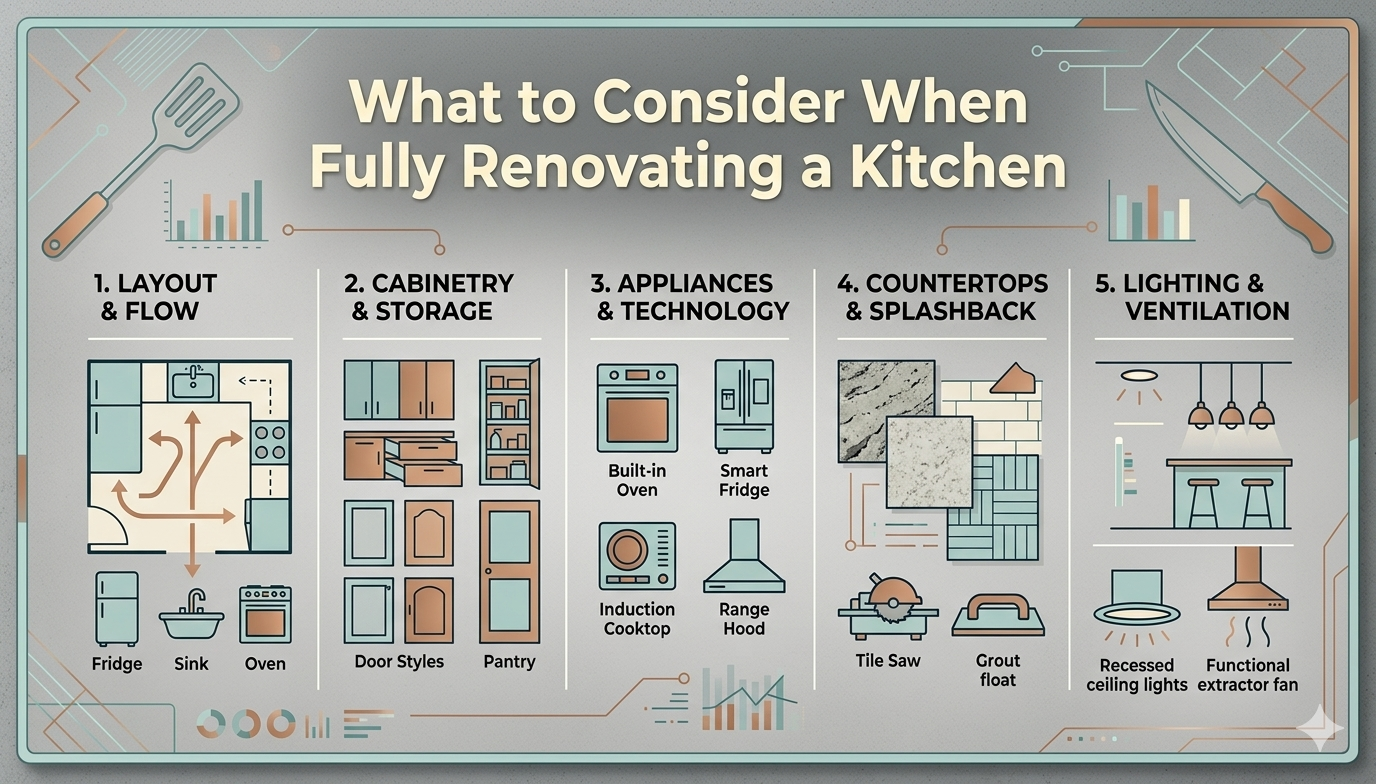
The heart of the home is often the most complex room to redesign, requiring a delicate balance between high-end aesthetics and rugged, everyday functionality. When a kitchen no longer serves the needs of a growing family or feels disconnected from the rest of a beautiful home, a superficial “face-lift” rarely suffices to solve the underlying issues. A full gut renovation is a significant undertaking, but it offers the unique opportunity to wipe the slate clean and reimagine a space that aligns perfectly with a modern lifestyle. This process involves stripping the room down to its studs, allowing for structural changes, updated utilities, and a layout that flows naturally. By focusing on crafting kitchens that feel custom to the specific habits of those who use them, homeowners can ensure that their investment yields both beauty and long-term utility. It is this transition from a dated, cramped environment to a bright, open sanctuary that makes the renovation journey so rewarding.
Deciding to move forward with a total overhaul often begins with the realization that the current footprint is fundamentally flawed. In many older homes, kitchens were designed as isolated workrooms rather than the social hubs they are today. You might find yourself struggling with “dead zones” where floor space is wasted, or perhaps you are dealing with a lack of prep surfaces near the stove and nowhere to set down a hot tray coming out of the oven. These functional bottlenecks create daily frustration and can even make cooking feel like a chore rather than a joy. When the original architecture hinders your ability to entertain or prepare meals efficiently, it is time to look past the cabinets and countertops and consider the bones of the room itself.
Taking the leap into a full-scale remodel requires a partner who understands the intricacies of structural design and the nuances of home construction. Many homeowners find that the best results come from a collaborative process where every technical detail, from the placement of the plumbing to the swing of the refrigerator door, is scrutinized before the first hammer is swung. Those who have explored resources like http://hyperiongrp.net/ understand that a renovation is about more than just picking out new finishes; it is about reclaiming the potential of your living space. By addressing the “why” behind your dissatisfaction, you can build a roadmap toward a kitchen that feels as good as it looks.
Breaking Down the Layout for Better Flow
Before any new cabinets can be ordered, the physical boundaries of the room must be evaluated to ensure they support a modern workflow. In a full gut renovation, you are not limited by where the sink or the stove currently sits, which provides the freedom to eliminate awkward seating areas or inefficient entryways.
Eliminating the Awkward and Outdated
One of the most common issues in older kitchen designs is the presence of oversized, built-in features that take up more space than they provide in value. For example, large built-in banquettes can often make a room feel crowded and make it difficult for guests to move around comfortably. By removing these static elements, you open up the floor plan for a large, multipurpose island. An island not only provides a massive amount of additional workspace but also serves as a natural gathering point for family and friends. This change alone can turn a cramped kitchen into a social masterpiece where five or six people can sit comfortably without interfering with the chef’s movements.
Reworking the Footprint
Sometimes, achieving the perfect kitchen means moving a door or even closing a window. If a window looks out onto a dull exterior wall or offers no significant light, closing it up can provide much-needed wall space for cabinetry or appliances. Similarly, relocating a door by even a few feet can dramatically increase the usable square footage of the room. These structural adjustments are the hallmark of a true “gut” remodel, ensuring that every inch of the new kitchen is maximized for efficiency. While these changes might seem daunting, they are often the key to creating a “tight work triangle” where the sink, stove, and refrigerator are all within easy reach of one another.
Navigating the Challenges of Construction
Once the design is finalized and the demolition begins, the reality of living through a major construction project sets in. It is essential to remember that while the “during” phase can be messy, it is the only way to address the hidden systems that keep a kitchen running smoothly.
The Importance of Rough-Ins
When you strip a kitchen down to the studs, you gain access to the electrical, plumbing, and HVAC systems that are normally hidden from view. This is the perfect time to upgrade outdated wiring or move gas lines to accommodate a professional-style range. Construction should always prioritize these “rough-ins,” as they form the backbone of the kitchen’s performance. Although these updates aren’t as exciting as choosing a backsplash, they ensure that your new appliances operate safely and your lighting is perfectly positioned to illuminate your workspace.
Finding Creative Solutions for Your Budget
Every renovation project involves a balance between high-end desires and a realistic budget. A clever designer can help you find “hacks” that deliver a luxury look without the luxury price tag. For instance, many people dream of a full-height slab backsplash made of natural stone, but the cost can be prohibitive. A fantastic alternative is using large-format porcelain tiles. These tiles can mimic the look of a solid slab perfectly, but cost a fraction of the price. The key is to ensure the walls are perfectly plumb and level so that the finish is seamless, providing a sleek, contemporary look that stays within your financial goals.
Designing for Maximum Storage and Convenience
A truly successful kitchen renovation is one where everything has a designated place, reducing clutter and making daily tasks feel effortless. Modern storage solutions have evolved far beyond the simple cupboard and shelf, focusing instead on accessibility and organization.
The Rise of the Drawer System
In a contemporary kitchen, wall cabinets are often minimized to create an airy, open feel. To compensate for this, designers rely heavily on deep, wide drawers. Drawers are much more ergonomic than lower cabinets because they allow you to see and reach everything without having to kneel on the floor. Utilizing peg systems for dish storage or heavy-duty slides for pots and pans ensures that even your heaviest items are easy to access. By outfitting the island and perimeter with these smart drawer systems, you can maintain a minimalist aesthetic without sacrificing an ounce of storage capacity.
Hidden Zones for Daily Habits
We all have those small appliances that we use every day but don’t necessarily want to see on our countertops. An “appliance garage” or a dedicated pantry can hide away blenders, toasters, and mixers, keeping your quartz surfaces clean and ready for prep work. Another popular addition is the dedicated coffee station. By placing the coffee maker, mugs, and supplies in a small nook outside of the main cooking zone, you prevent “coffee clutter” from spilling over into your workspace. This level of intentionality ensures that the kitchen remains a calm, organized environment even during the busiest mornings.
Finishing Touches and Aesthetic Harmony
The final stage of a renovation is where the personality of the home truly shines through. While the layout provides the function, the materials and colors provide the soul of the space.
Choosing a color palette that is timeless yet interesting is a common goal for many homeowners. A two-tone approach can add depth to the room; for example, using a very light gray on the perimeter cabinets while choosing a darker, textured wood stain for the island. This contrast creates a visual anchor in the center of the room. When paired with clean white quartz countertops and warm metallic accents, like brass hardware or staggered pendant lights, the result is a bright, airy space that feels both modern and inviting. These details are the finishing touches that turn a construction site into a home, creating a backdrop for years of cooking, entertaining, and making memories with family and friends.
About the Author