Rhinoplasty in Islamabad
Introduction
Rhinoplasty is a popular cosmetic and reconstructive procedure designed to reshape the nose and improve facial balance. It may also help correct certain structural problems that interfere with breathing. For people considering Rhinoplasty in Islamabad, understanding the procedure, preparation, recovery, risks, and expected results is essential before making a decision. A carefully planned treatment can enhance facial harmony while maintaining a natural appearance.
The nose is one of the most noticeable features of the face, so even subtle changes can significantly affect overall appearance. Modern surgical techniques allow qualified surgeons to address concerns such as a prominent nasal bridge, wide nasal structure, asymmetry, nasal tip shape, or previous injury while considering the patient’s individual facial proportions.
What Is Rhinoplasty?
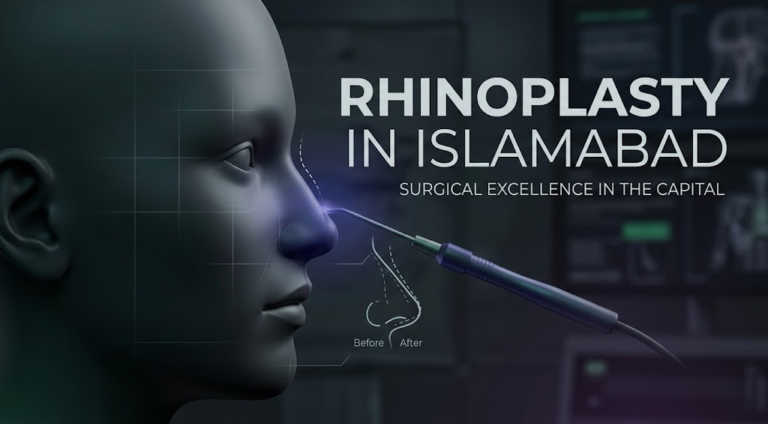
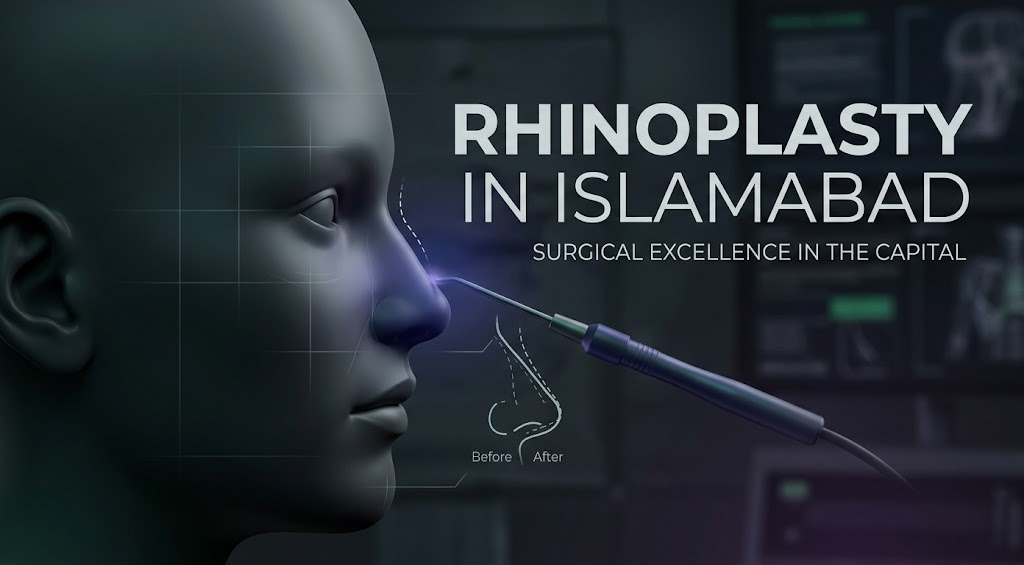
Rhinoplasty is a surgical procedure that changes the shape, size, or structure of the nose. Depending on the patient’s needs, the surgeon may modify bone, cartilage, skin, or internal nasal structures. The procedure can be performed for cosmetic reasons, functional concerns, or a combination of both.
Some patients want a smaller or more refined nose, while others seek correction of a crooked nose or problems caused by trauma. When breathing difficulties are related to structural abnormalities, rhinoplasty may sometimes be combined with procedures intended to improve nasal airflow.
Why Do People Choose This Procedure?
There are several reasons people consider Rhinoplasty in Islamabad. Cosmetic concerns commonly include a dorsal hump, broad nasal bones, an uneven tip, excessive nasal length, or lack of facial proportion. Some individuals may also feel self-conscious about changes caused by an accident or previous surgery.
Functional reasons can be equally important. A deviated nasal structure, damaged cartilage, or other anatomical issues may contribute to breathing difficulties. During consultation, a surgeon should evaluate both appearance and function rather than focusing exclusively on cosmetic changes.
Types of Rhinoplasty
Different surgical approaches are available depending on the patient’s anatomy and desired outcome. Open rhinoplasty involves a small incision between the nostrils, allowing the surgeon greater visibility of the underlying structures. This approach can be useful for more complex reshaping.
Closed rhinoplasty uses incisions inside the nostrils and may be suitable for selected cases. Another category is revision rhinoplasty, which addresses concerns following an earlier nasal operation. The appropriate technique depends on anatomy, surgical goals, previous procedures, and the surgeon’s assessment.
Choosing the Right Surgeon
Selecting a qualified and experienced surgeon is one of the most important decisions when considering Rhinoplasty in Islamabad. Patients should investigate the surgeon’s credentials, training, experience with nasal surgery, and approach to patient safety. Before-and-after photographs may provide useful information, but they should not be the only factor used to make a decision.
A good consultation should feel like a two-way conversation. Patients should be able to explain what they dislike about their nose, discuss breathing concerns, and ask about realistic outcomes. The surgeon should explain limitations clearly rather than promising a perfect or identical result.
Consultation and Treatment Planning
The consultation generally begins with a medical history and examination of the nose. The surgeon may assess the nasal bones, cartilage, skin thickness, breathing passages, facial proportions, and previous injuries or surgeries. Photographs may also be taken to support treatment planning.
Patients should discuss medications, allergies, previous operations, smoking habits, and relevant medical conditions. They should also explain their expectations honestly. A realistic treatment plan aims to improve the nose while preserving facial balance and, where possible, maintaining or improving normal breathing.
Preparing for Surgery
Preparation can contribute to a smoother surgical experience. The surgeon may provide specific instructions regarding medications and supplements that can increase bleeding risk. Patients should follow these instructions carefully and disclose every medication they regularly use.
Arranging transportation and assistance for the first part of recovery is also practical. Patients should prepare a comfortable recovery area, keep recommended medications available, and organize time away from work or studies. Following the clinic’s preoperative instructions is more important than relying on generic advice.
The Surgical Procedure
The exact procedure varies from person to person. Rhinoplasty is usually performed under anesthesia, after which the surgeon reshapes selected nasal structures according to the treatment plan. Bone and cartilage may be modified, repositioned, or supported to achieve the desired structure.
The surgeon may also refine the nasal tip or adjust the nostrils when appropriate. Once the planned changes are completed, the incisions are closed and the nose may be supported with a splint. The duration depends on the complexity of the surgery and whether additional procedures are performed.
Recovery After Surgery
Recovery is an important part of Rhinoplasty in Islamabad, and patients should understand that the final appearance does not develop immediately. Swelling and bruising are common during the early period. Nasal congestion can also occur, making the first days uncomfortable.
Most patients gradually return to normal activities as healing progresses, but the timeline varies. Strenuous exercise, pressure on the nose, and activities that could cause accidental injury may need to be avoided for a period recommended by the surgeon. Keeping follow-up appointments helps the medical team monitor healing.
When Will Results Appear?
Early changes may be visible after the splint is removed, but the nose continues to heal for months. Swelling can gradually decrease, and subtle changes may remain noticeable for a considerable period, particularly around the nasal tip.
Patients should avoid judging the final outcome too quickly. Healing differs according to surgical technique, individual anatomy, skin characteristics, and other factors. Regular follow-up allows the surgeon to assess progress and address concerns appropriately.
Risks and Possible Complications
Like any surgical procedure, rhinoplasty carries potential risks. These can include bleeding, infection, anesthesia-related complications, persistent swelling, scarring, asymmetry, changes in sensation, or dissatisfaction with the appearance. Breathing problems may also occur in some cases.
Revision surgery may occasionally be necessary when healing produces an unexpected result or when functional or cosmetic concerns remain. Choosing an experienced surgeon and following postoperative instructions can help reduce avoidable risks, although no operation can guarantee a complication-free outcome.
Cost Considerations
The cost of Rhinoplasty in Islamabad varies according to several factors. Surgical complexity, surgeon experience, facility fees, anesthesia, diagnostic assessments, medications, and whether additional procedures are required can all influence the total expense.
Patients should request a clear breakdown of costs during consultation. Choosing a provider solely because of the lowest advertised price may not be appropriate for elective surgery. Quality of care, qualifications, safety standards, and appropriate follow-up should receive equal or greater consideration.
Who May Be a Good Candidate?
A suitable candidate is generally someone who has realistic expectations, understands the recovery process, and is physically prepared for surgery. Cosmetic concerns should be evaluated alongside the structure and function of the nose.
Age, general health, nasal development, previous surgery, and individual goals all matter. The final decision should be made after a professional assessment rather than through online comparisons alone. Patients should also understand that rhinoplasty can improve specific features but cannot guarantee a particular celebrity’s appearance.
Questions to Ask Before Surgery
Before proceeding, patients should ask about the surgeon’s qualifications, experience, recommended technique, anesthesia arrangements, expected recovery, possible complications, and follow-up schedule. It is also useful to ask what happens if the result does not meet expectations.
Understanding the total cost and knowing who will provide postoperative care can prevent misunderstandings. Patients should leave the consultation with a clear understanding of both the benefits and limitations of the procedure.
Conclusion
Choosing Rhinoplasty in Islamabad requires careful research, realistic expectations, and consultation with a qualified professional. The procedure can improve nasal proportions, address selected structural concerns, and potentially support better nasal function when appropriate.
Successful treatment is not simply about making the nose smaller or more dramatic. The best approach considers facial balance, nasal structure, breathing, individual preferences, and long-term healing. By selecting an experienced surgeon, understanding the procedure, preparing properly, and following recovery instructions, patients can make a more informed decision about whether rhinoplasty is suitable for their goals.
About the Author