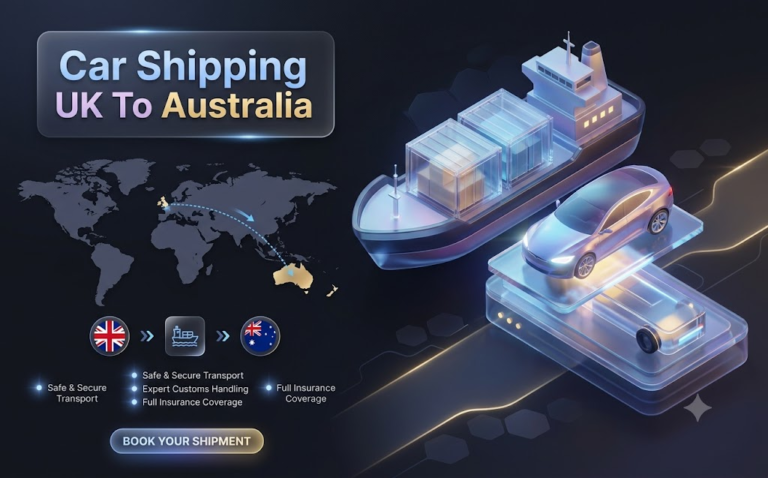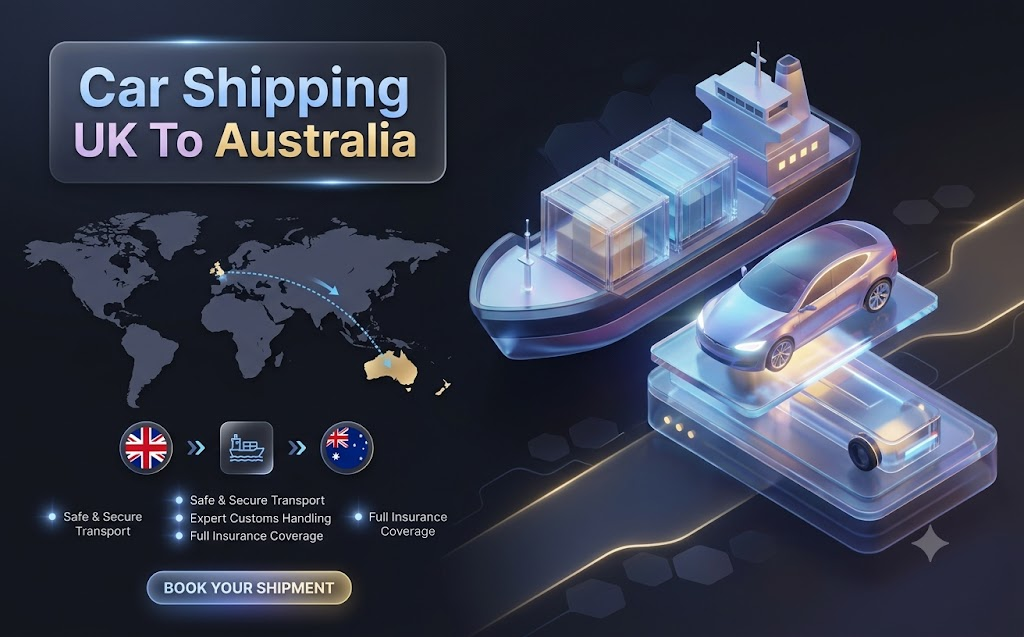
Car Shipping UK To Australia
The global automotive logistics market serves as the operational backbone for vehicle manufacturers, commercial exporters, and private owners moving wheeled assets across international borders. Transporting cars, heavy machinery, and industrial equipment safely over long distances requires a highly synchronized network of port terminals, ocean liners, and customs agencies. Shippers must carefully balance structural safety protocols with economic efficiency to ensure cargo travels smoothly across diverse geographic corridors.
As international supply chains become more sophisticated, specialized Roll-on/Roll-off (RORO) logistics continue to set the industry benchmark for handling wheeled cargo. This guide breaks down the operational infrastructure of modern vehicle transit, analyzes prominent trade routes linking the UK to Europe and Oceania, and outlines the essential compliance frameworks required for predictable port-to-port delivery.
The Engineering and Safety Behind Modern RORO Logistics
The safe transport of wheeled cargo across volatile ocean lanes relies on highly specialized maritime vessel designs. Unlike standard container ships that transport generic box freight, dedicated Roll-on/Roll-off vessels are constructed structurally as expansive, multi-tiered floating parking complexes. These ships feature heavy-duty ramp systems that allow cars, trucks, and oversized machinery to be driven directly onto the vessel under their own power.
Once loaded, vehicles are housed on fully enclosed internal decks that offer complete isolation from harsh marine environments, including saltwater exposure, extreme humidity, and fluctuating coastal temperatures. To guarantee stability during high-sea transits, specialized port crews secure each vehicle’s chassis using high-tensile lashing straps anchored directly to integrated deck eyelets. This systematic multi-point immobilization completely prevents physical movement, protecting high-value automotive cargo from cosmetic or structural damage.
Navigating the Eurasian Pipeline: Connecting the UK and the Mediterranean
The bridge between Europe and Asia represents a critical trade junction for automotive logistics. Shippers frequently look to establish reliable transport channels to countries acting as major regional crossroads for commercial fleets and passenger vehicles.
[UK Departure Port] ➔ [North Sea & Atlantic Transit] ➔ [Gibraltar Strait] ➔ [RORO Car Shipping UK to Turkey]
Exporters targeting these critical junctions rely heavily on a dedicated RORO car shipping UK to Turkey framework to streamline their supply chains. Major arrival terminals in the Mediterranean and Black Sea regions are specifically engineered to handle specialized vehicle carriers with maximum efficiency. Utilizing a dedicated RORO pathway ensures that vehicles are driven smoothly off the ship’s ramps and moved directly into customs processing, avoiding the significant port delays, extra handling touchpoints, and container grounding fees typically associated with traditional containerized freight.
Expanding Horizons: Managing Long-Haul Southern Hemisphere Logistics
While regional and transcontinental corridors manage substantial volumes of short-to-medium distance cargo, expanding operations to the Southern Hemisphere requires an exceptional level of logistical precision. Moving vehicles from the UK down to Oceania involves navigating some of the longest commercial shipping lanes in the world, alongside incredibly strict biosecurity import mandates.
For logistics managers looking to optimize transit across global hubs, establishing an efficient car shipping UK to Australia strategy is a vital operational necessity. Whether moving specialized commercial fleet inventory, corporate relocations, or classic collector vehicles, utilizing long-haul RORO networks ensures highly predictable transit timelines and consistent port-to-port connections. Partnering with established global carriers allows shippers to move vehicles across these extensive maritime boundaries smoothly while ensuring the cargo arrives undamaged.
Core Advantages of RORO Transport Over Container Freight
When determining the best method for moving vehicles across international waters, shippers frequently evaluate the practical differences between RORO shipping and traditional containerized freight. For standard passenger cars, commercial fleets, and heavy machinery, RORO offers clear operational and financial benefits:
1. Transparent, Footprint-Based Pricing
Containerized shipping requires paying a flat rate for the entire volume of a 20-foot or 40-foot steel container, regardless of whether the vehicle completely fills the space. Shippers also incur secondary costs for professional wood blocking, bracing, and labor-intensive stuffing. RORO logistics operate on a streamlined space-occupied pricing structure, meaning you only pay for the exact physical footprint of the vehicle unit.
2. Reduced Handling and Physical Touchpoints
Securing a car inside the tight confines of a standard container involves restricted physical spaces, manual winching, and an increased risk of accidental body scrapes or wheel lip damage during packing. RORO simplifies the entire loading mechanism. Professional terminal drivers handle the vehicle explicitly via spacious, low-gradient ramps directly to its designated location on the vessel deck, drastically lowering handling variables.
3. Unlimited Capability for Oversized Machinery
Standard shipping containers have rigid width and height limits, making it physically impossible to load heavy industrial or agricultural equipment. RORO vessels are constructed with adjustable internal decks and heavy-duty loading ramps that can easily accommodate high-sided buses, large agricultural tractors, earth-moving excavators, and long commercial transport trucks.
Pre-Shipment Compliance and Vehicle Preparation Protocol
To ensure your vehicle passes international maritime safety reviews and complies fully with strict destination biosecurity regulations, several crucial preparation steps must be followed prior to port arrival.
- Deep Exterior and Underbody Cleaning: Destination customs inspectors rigorously check incoming cargo for soil, plant matter, and insect larvae to protect local ecosystems. Shippers must thoroughly wash the vehicle’s exterior, wheel wells, and undercarriage. A dirty underbody can lead to immediate quarantine holds and substantial cleaning fines.
- Regulated Fuel Tank Levels: To minimize fire hazards on fully enclosed ship decks, international maritime carriers enforce strict fuel limits. The vehicle’s fuel tank must be at a maximum of one-quarter (1/4) capacity or less when checked into the port terminal.
- Complete Removal of Personal Effects: Standard ocean transport insurance policies exclusively cover the vehicle unit itself. All loose personal luggage, clothing, and aftermarket electronic accessories must be completely removed from the cabin and trunk to ensure compliance with customs safety declarations.
Managing Customs Clearance and Statutory Paperwork
Successfully crossing international maritime boundaries requires a flawless document trail. Gathering your paperwork early eliminates the risk of costly port storage fees, customs delays, or unexpected administrative friction.
| Document Title | Core Operational Purpose in Vehicle Shipping |
| V5C Logbook / Original Title | Verifies clear legal ownership and confirms the vehicle is officially authorized for permanent export. |
| Commercial Invoice / Bill of Sale | Used by customs officials to determine the true asset valuation for import duties, VAT, and tariffs. |
| Bill of Lading (BoL) | Acts as the formal contract of carriage, detailing cargo specifications, the shipper, and the designated consignee. |
| Passport Copy / Photo ID | Validates the identity of the registered vehicle owner or the authorized logistics agent managing the transit. |
Frequently Asked Questions
Can non-running vehicles be transported using RORO?
Yes, many RORO vessels can accommodate non-running vehicles, provided the unit can still steer and brake safely. These vehicles are carefully winched or towed onto the vessel using specialized port equipment. Exporters must notify the carrier in advance, as additional handling fees typically apply.
How are vehicles protected from shifting during heavy sea swells?
Once parked on the vessel’s deck, the vehicle is secured using heavy-duty nylon lashing straps attached directly to the wheel chassis and anchored to integrated steel tie-down points built into the deck floor. This multi-point stabilization system ensures the vehicle remains completely stationary throughout the entire voyage.
What is the typical transit duration from the UK to Australia?
Due to the massive transcontinental distance and multiple port calls, long-haul maritime routes to Oceania typically take between 45 to 60 days, depending entirely on the specific liner rotation, weather conditions, and routing channels.
Conclusion
Successfully executing cross-border vehicle shipping requires an accurate understanding of port operations, specialized vessel capabilities, and strict regulatory customs compliance. By leveraging the streamlined footprint of Roll-on/Roll-off shipping, preparing your vehicle carefully to meet biosecurity and safety standards, and keeping your documentation organized early, you can move single vehicles or entire commercial fleets across global trade lanes with absolute predictability and peace of mind.
About the Author