The electrical landscape of the United Kingdom is undergoing a massive transformation. As we move further into 2026, the demand for sophisticated electrical infrastructure—driven by the transition to green energy, the integration of smart home technologies, and more stringent safety regulations—has never been higher. For homeowners and business managers alike, the “DIY” era of electrical maintenance is fading, replaced by a critical need for certified, high-precision engineering.
Whether it is a specialized industrial facility or a local residential property in Northamptonshire, the stakes of electrical integrity involve more than just “keeping the lights on.” It is about safety, legal compliance, and long-term operational efficiency.
The Evolution of Industrial Electrical Demands
In the industrial and commercial sectors, the complexity of modern machinery and the reliance on constant uptime have changed the role of the contractor. Businesses are no longer just looking for a “sparky” to fix a broken socket; they are looking for partners who understand the nuances of 3-phase power, control systems, and hazardous area compliance.
One of the most critical aspects of modern industrial safety is the inspection of environments where the risk of explosion or fire is heightened by the presence of flammable gases, mists, or dust. This is where specialized expertise becomes non-negotiable. If you operate a facility with these risks, engaging with hazardous area electrical inspections in Northampton is a fundamental requirement to ensure you are meeting ATEX and DSEAR regulatory standards.
These inspections aren’t just a “tick-box” exercise for insurance; they are a deep dive into the integrity of equipment and installations that protect lives. A professional contractor brings a level of diagnostic precision that identifies microscopic faults in earthing or containment before they escalate into catastrophic failures.
The Smart Home Revolution and Domestic Safety
While the industrial world focuses on high-voltage systems and hazardous zones, the domestic world is facing its own revolution. The average UK home in 2026 is powered by more devices than ever before. From electric vehicle (EV) charging points to air-source heat pumps and integrated smart home hubs, the load on older consumer units is reaching a breaking point.
Many homes built twenty or thirty years ago were simply not designed to handle the simultaneous draw of modern technology. This has led to an increase in thermal damage within walls and consumer units that often goes unnoticed until a circuit fails.
For homeowners, the best line of defense is proactive testing. Often, people only call an electrician during an emergency—when the power is out or there is a smell of burning. However, the most cost-effective way to manage a home is through planned maintenance and certification. If you are a landlord or a homeowner looking to ensure your property is up to code, hiring trusted electricians in Northampton can provide the peace of mind that your wiring is not just functional, but safe for the long term.
Compliance as a Competitive Advantage
For business owners, electrical compliance should be viewed as a competitive advantage rather than an overhead cost. In an era where ESG (Environmental, Social, and Governance) scores matter to investors and customers, showing a commitment to safety and energy efficiency is vital.
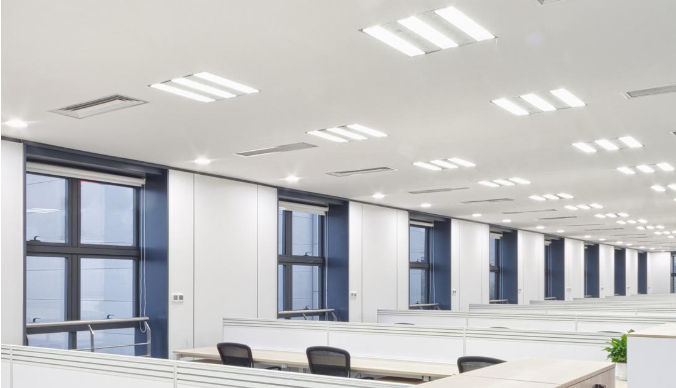
Regular EICR (Electrical Installation Condition Reports) and fixed wire testing do more than just satisfy the Health and Safety Executive (HSE). They provide data. Modern electrical testing can reveal where energy is being wasted, where circuits are being overloaded, and where upgrades to LED lighting or more efficient motors could save the business thousands of pounds in annual energy costs.
Furthermore, the legal landscape for landlords has tightened significantly. Failure to produce a valid Electrical Safety Certificate can lead to heavy fines and invalidated insurance policies. By maintaining a schedule of professional inspections, property managers can avoid the stress of last-minute repairs and the legal liability of non-compliance.
The Importance of Accreditation: Why NAPIT and NICEIC Matter
In 2026, the difference between a “handyman” and a professional electrical contractor is the weight of their accreditation. Organizations like NAPIT and NICEIC ensure that contractors are not only technically proficient but also insured and up-to-date with the latest Amendment of the IET Wiring Regulations (BS 7671).
When a contractor is registered with a competent person scheme, they have the authority to self-certify their work and notify Building Control. This is a crucial step for any major work, such as a full domestic rewire or a commercial lighting overhaul. Without this certification, you may find it impossible to sell your property or claim on insurance in the event of an electrical fire.
Looking Ahead: The Future of the Grid
As we look toward the end of the decade, the electrification of everything will only accelerate. We are seeing a shift toward “Micro-grids” where businesses and homes generate their own solar power and store it in battery systems. Managing the flow of electricity between the grid, the solar panels, the battery, and the car charger requires a level of system integration that only a professional can provide.
The complexity of these systems means that the “set and forget” mentality no longer applies. Regular software updates for smart components and physical inspections of high-wear parts (like EV charging cables and solar inverters) are becoming the new standard for property maintenance.
Conclusion
The hidden infrastructure of your building—the wires behind the walls and the panels in the plant room—is the heartbeat of your daily life and your business operations. Neglecting this infrastructure is a risk that is no longer worth taking.
From the specialized demands of hazardous area inspections to the simple necessity of a safe home for your family, the value of professional electrical services cannot be overstated. As technology evolves, so must our commitment to the standards that keep us safe. By choosing accredited, experienced professionals, you aren’t just fixing a problem; you are investing in the safety, efficiency, and future of your property.
About the Author